
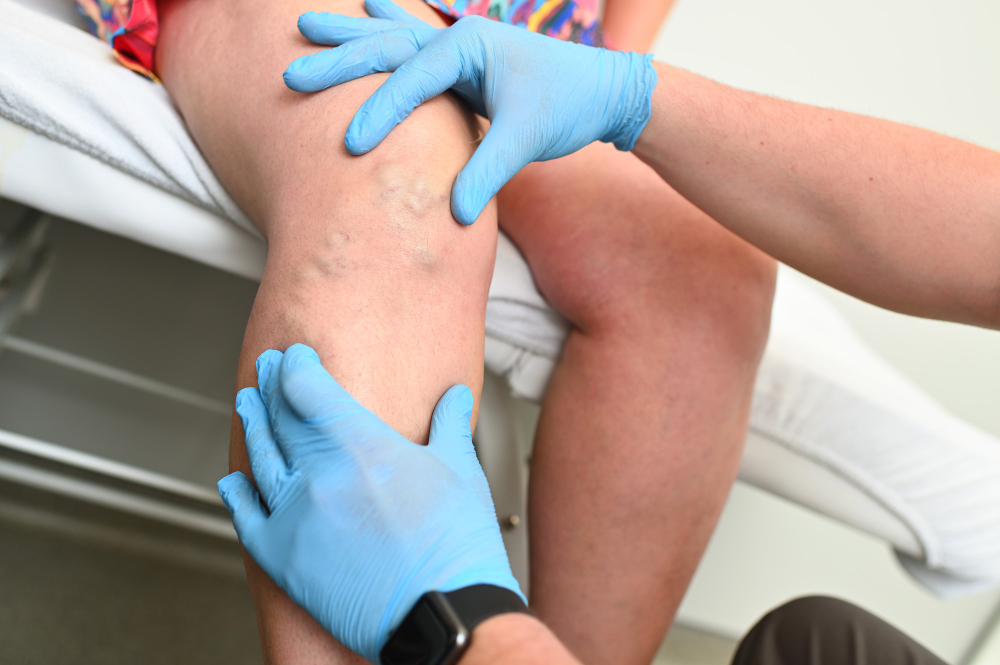
Learn about chronic venous insufficiency, including its causes, signs, complications, and the best treatment options.
Chronic venous insufficiency (CVI) is a common vascular disorder that affects millions of people worldwide. It occurs when the veins in your legs cannot efficiently return blood back to the heart, leading to blood pooling, increased venous pressure, and a range of uncomfortable symptoms. Over time, untreated CVI can cause serious complications, including skin changes and ulcers.
In this guide, you’ll learn about chronic venous insufficiency causes, symptoms, complications, best treatment for venous insufficiency, and practical lifestyle tips to manage the condition effectively.
What is Chronic Venous Insufficiency (CVI)?
CVI is a long-term condition where the valves in your leg veins become weak or damaged. These valves normally prevent blood from flowing backward, ensuring that it moves toward your heart. When they fail, gravity causes blood to pool in your legs, making circulation sluggish.
This condition can affect deep veins, superficial veins, or perforating veins that connect the two systems. While CVI is not life-threatening, it is progressive and can significantly impact your quality of life if left untreated.
Chronic Venous Insufficiency (CVI) vs. Varicose Veins
Many people associate CVI with varicose veins. While related, they are not the same. Varicose veins are a common early sign of poor venous function, but chronic venous insufficiency usually indicates more advanced vein disease.
CVI affects the overall blood flow in the leg veins and can lead to complications such as skin changes and venous ulcers if left untreated. On the other hand, varicose veins often remain a cosmetic concern unless they progress to cause pain, swelling, or other symptoms.
How Common is Chronic Venious Disease (CVI)?
Venous disease is widespread, especially among older adults. Around one-third of adults have varicose veins, and a small percentage progress to chronic venous insufficiency. The condition is more common after age 50, and the risk increases with age, obesity, pregnancy, and a history of blood clots.
What are Chronic Venous Insufficiency (CVI) Symptoms?
Recognizing the signs and symptoms of venous insufficiency early can help prevent complications. Common symptoms include:
Swelling (edema) in the lower legs and ankles, especially after prolonged standing
Achy or heavy legs
Cramping or throbbing pain at night
Tingling or burning sensations
Flaking or itchy skin on the legs
Reddish-brown skin discoloration
Varicose veins
Venous insufficiency ulceration, usually near the ankles in advanced cases
Not everyone experiences all symptoms. Some people only notice mild swelling or varicose veins in the early stages of venous insufficiency.
What Causes Chronic Venous Insufficiency (CVI)?
The main venous insufficiency causes are malfunctioning vein valves. These valves act as one-way gates, helping blood travel upward. When damaged, they allow backward flow (venous reflux), which raises pressure inside the veins. Over time, this increased pressure stretches the vein walls, weakens circulation, and leads to fluid buildup in the lower legs. In some cases, the damage may result from blood clots, injuries, or long-term strain on the veins due to factors like obesity or prolonged standing.
Common Causes Include:
Deep Vein Thrombosis (DVT): The most common cause of CVI. Blood clots leave scars that damage the valves.
Varicose veins
Obesity
Pregnancy
Lack of physical activity
Long hours of sitting or standing
Aging
Congenital vein malformations
Stages of Chronic Venous Insufficiency (CVI)
Doctors classify venous disorders into stages from 0 to 6:
Stage 0: No visible signs, only symptoms like leg heaviness
Stage 1: Spider veins
Stage 2: Varicose veins
Stage 3: Swelling without skin changes
Stage 4: Skin thickening and discoloration
Stage 5: Healed ulcer
Stage 6: Active ulcer
Patients are typically diagnosed with CVI at stage 3 or higher. Treating early chronic venous insufficiency can prevent serious complications.
Venous Insufficiency Complications
Ignoring symptoms can lead to severe venous insufficiency complications, such as:
Chronic swelling and pain
Skin changes (leathery texture, discoloration)
Venous insufficiency ulcer or open sores that heal slowly
Infection (cellulitis)
Decreased mobility and quality of life
Venous Insufficiency Diagnosis
Doctors typically start with a detailed medical history and physical examination to check for swelling, varicose veins, skin changes, or ulcers. The most important diagnostic tool is vascular ultrasound, a painless and non-invasive test that uses sound waves to create real-time images of your veins. This test helps detect abnormal blood flow patterns, valve dysfunction, and any signs of venous reflux.
In some cases, additional imaging studies such as MRI or CT venography may be recommended to rule out other vascular conditions or assess complex cases. Your provider may also check for related problems like peripheral artery disease (PAD), which can influence your treatment plan.
Treatment for Venous Insufficiency
The treatment for venous insufficiency depends on its severity, underlying cause, and your overall health. Treatments aim to improve circulation, reduce symptoms, and prevent complications such as venous ulcers. Most treatment plans start with conservative measures like lifestyle changes and compression therapy, which can significantly reduce swelling and discomfort.
Lifestyle Changes
Leg Elevation: Raising your legs above heart level several times a day helps reduce swelling.
Exercise: Walking is one of the best venous insufficiency remedies as it activates the calf muscles to pump blood upward.
Weight Management: Reducing excess weight decreases pressure on the veins.
Diet for Venous Insufficiency: A diet rich in fiber, antioxidants, and low in sodium can minimize fluid retention and inflammation.
Compression Therapy
Graduated compression stockings are the first-line therapy. They apply pressure to the legs, aiding blood flow back to the heart.
Medications
Antibiotics for skin infections or ulcers
Anticoagulants (blood thinners) for clot prevention
Special medicated dressings for ulcer care
Minimally Invasive Procedures
Sclerotherapy: Injecting a solution to close small veins
Endovenous Laser or Radiofrequency Ablation: Heat seals off damaged veins
Phlebectomy: Removing small varicose veins through tiny incisions
Surgical Options
Ligation and Stripping: Tying off or removing damaged veins
Vein Bypass: For severe cases when other methods fail
If your condition requires advanced intervention, our cardiovascular surgery specialists at MedicalPark provide comprehensive care using state-of-the-art techniques to ensure optimal vascular health.

Chronic Venous Insufficiency (CVI) Remedies and Home Care
Avoid prolonged sitting or standing
Elevate legs whenever possible
Wear compression stockings as prescribed
Keep skin clean and moisturized to prevent cracks and infections
Diet for Chronic Venous Insufficiency (CVI)
Your diet plays a vital role in managing CVI. Focus on:
High-fiber foods (whole grains, fruits, vegetables)
Flavonoid-rich foods (berries, citrus, dark chocolate)
Reduced salt intake to prevent swelling
Adequate hydration
Living with Chronic Venous Insufficiency (CVI)
Although CVI cannot be completely reversed, proper management can prevent progression and improve your quality of life. Regular follow-ups with your doctor and adherence to treatment are essential to avoid complications such as skin damage or venous ulcers. Simple daily habits, like elevating your legs, staying physically active, and wearing compression stockings as prescribed, can make a significant difference.
Maintaining a healthy weight, avoiding prolonged sitting or standing, and practicing good skin care are also key to preventing infections and ulcers. For those with severe symptoms, ongoing monitoring helps ensure timely adjustments to treatment plans. With the right approach, most people with chronic venous insufficiency can manage their symptoms effectively and continue leading active, healthy lives.
This content was developed by the MedicalPark Editorial Board and is intended for informational purposes only. It does not replace professional medical advice, diagnosis, or treatment. Please consult your healthcare provider for personalized care.