
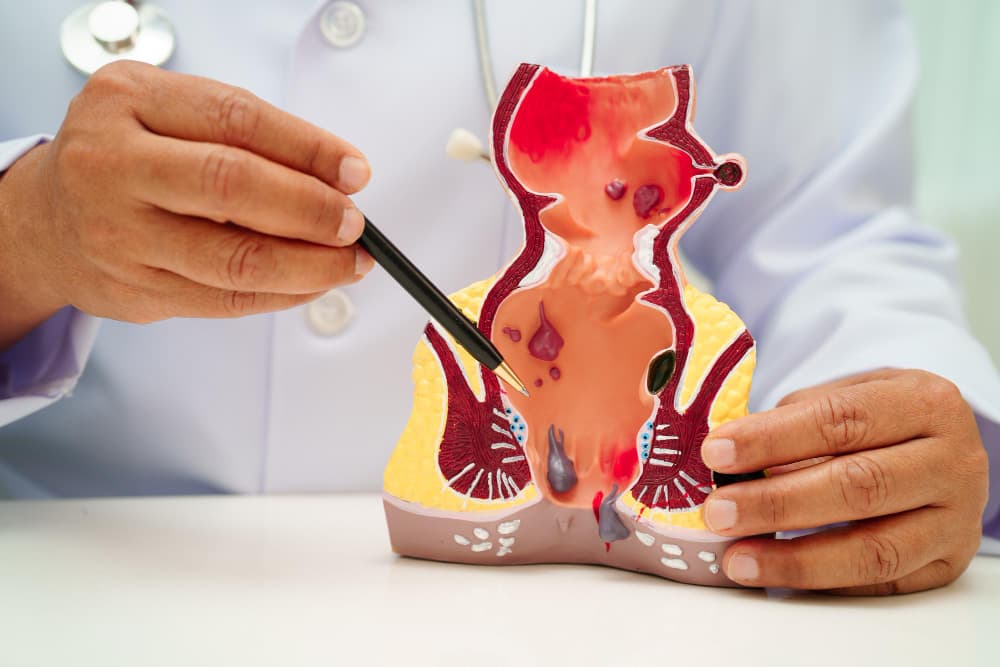
Learn about hemorrhoids (piles): symptoms, causes, and effective treatment options. Get expert insights for relief and prevention at Medical Park International.
Hemorrhoids, commonly known as piles, are a widespread condition affecting millions of people worldwide. They develop when the veins in the anus or rectum become swollen, leading to discomfort such as pain, itching, and sometimes rectal bleeding. Although hemorrhoids are not life-threatening, they can significantly impact a person’s quality of life.
The positive news is that with early identification and the right hemorrhoids treatment, symptoms can be relieved, and complications can be avoided. From simple home remedies for hemorrhoids to advanced medical options, there are multiple effective approaches available. This blog explores the symptoms, causes, and treatment methods for hemorrhoids to help you better understand and manage this condition.
Understanding Hemorrhoids (Piles)
Hemorrhoids develop when the veins around the anus or in the lower rectum become swollen. They can vary in size and severity; some cause no discomfort, while others can be very painful. It is important to understand the different types and how hemorrhoids form in order to determine the right treatment.
What are Hemorrhoids?
Hemorrhoids are clusters of swollen veins in the rectal and anal area that may develop internally (inside the rectum) or externally (under the skin near the anus). They can lead to significant discomfort, including anal irritation, an itching anus, painful hemorrhoids, and bleeding hemorrhoids during bowel movements.
Internal vs. External Hemorrhoids
Internal hemorrhoids are usually not noticeable. Because they are located inside the rectum, they are generally painless, though they may still cause rectal bleeding. In contrast, external hemorrhoids can be quite painful. The condition may worsen if a thrombosed hemorrhoid develops, which occurs when a clot forms, leading to swelling, inflammation, and irritation.
Symptoms of Hemorrhoids
The symptoms of hemorrhoids can vary depending on the type and severity of the condition. Being aware of these signs is important, as early diagnosis allows for timely and effective treatment.
Common Signs and Discomforts
Typical hemorrhoids symptoms include anal discomfort, an itching anus, painful hemorrhoids, swelling, and rectal bleeding. In more severe cases, a hard lump may appear near the anus, which could indicate a thrombosed hemorrhoid.
When to Seek Medical Attention
It is important to know when to consult a doctor for hemorrhoids. Medical attention should be sought if there is excessive bleeding, severe pain, or persistent symptoms that do not improve with over-the-counter treatments. Ongoing or worsening hemorrhoid symptoms may also point to other underlying health conditions that require professional evaluation.
Causes and Risk Factors of Hemorrhoids
Understanding the causes of hemorrhoids is important for both treatment and prevention. Many lifestyle and health-related factors can contribute to the development of piles.
Primary Causes
The most common causes of hemorrhoids include straining during bowel movements, sitting for long periods, chronic constipation, and frequent heavy lifting. Although these actions may seem minor, they place extra pressure on the veins in the lower rectum, increasing the likelihood of hemorrhoids.
Factors Increasing Your Risk
Certain habits and conditions can raise the risk of developing hemorrhoids. These include a low-fiber diet, obesity, aging, and a sedentary lifestyle. In addition, not drinking enough water and a lack of regular physical activity can make hemorrhoids more likely to occur.
Hemorrhoids During Pregnancy
Pregnancy hemorrhoids are a common issue caused by increased pressure in the pelvic area along with hormonal changes. They are especially likely to appear in the third trimester or during the postpartum period, often adding discomfort to an already sensitive time for many women.
Home Remedies and Lifestyle Changes for Hemorrhoids
Adopting healthy lifestyle habits and simple home remedies for hemorrhoids can ease discomfort and help prevent future flare-ups.
Dietary Adjustments and Fluid Intake
Eating a diet rich in fiber, such as fruits, vegetables, and whole grains, helps soften stools and promotes regular bowel movements. Adequate water intake is equally important, as it works together with fiber to make passing stools easier and reduce pressure that can trigger hemorrhoids.
Hygiene and Daily Habits
Maintaining good hygiene plays an important role in managing hemorrhoids. Avoid using scented wipes or rough toilet paper, as they may cause irritation. To relieve pain, try soaking in a warm bath for hemorrhoids or applying an ice pack to reduce swelling and discomfort.
Over-the-Counter Relief
Several non-prescription options can provide short-term relief from hemorrhoid symptoms. These include topical creams, stool softeners, and medicated pads, which may help manage bleeding hemorrhoids, itching, and overall anal discomfort.
Medical Treatments for Hemorrhoids
When conservative measures and home remedies fail to provide relief, medical treatment for hemorrhoids may be necessary. Several clinic-based and surgical options are available depending on the severity of the condition.
Non-Surgical Procedures
Minimally invasive approaches are often the first choice for patients. These include banding hemorrhoids (rubber band ligation), sclerotherapy for hemorrhoids, and infrared coagulation. Each of these techniques works by reducing blood supply to the hemorrhoids, causing them to shrink and eventually disappear.
Surgical Options for Severe Hemorrhoids
For persistent or severe cases, doctors may recommend surgical procedures such as a hemorrhoidectomy. This surgery removes the excess swollen tissue, providing long-lasting relief and significantly reducing the risk of recurrence.
Recovery After Treatment
A smooth recovery involves careful pain management, avoiding heavy lifting, and maintaining a fiber-rich diet to prevent constipation. Regular follow-ups with your doctor are also essential to ensure proper healing and lower the chances of hemorrhoids returning.
Preventing Hemorrhoids
Prevention is always better than cure, and by following a few healthy habits, it is often possible to avoid the discomfort of hemorrhoids.
Simple Steps for Prevention
The good news is that hemorrhoids prevention can be achieved with small lifestyle changes. Eating more fiber-rich foods, drinking plenty of water, exercising regularly, avoiding prolonged sitting, and responding promptly to bowel urges all help reduce the risk of hemorrhoids.
Potential Complications of Hemorrhoids
While hemorrhoids are generally benign and manageable, complications may arise if the condition is left untreated.
Rare but Serious Issues
In rare cases, hemorrhoids may lead to more serious problems such as persistent rectal bleeding, anemia, prolapse, or strangulated hemorrhoids. Chronic irritation can also cause skin tags or increase the risk of infection.
Medical Park Hospitals in Turkey offer comprehensive care for hemorrhoids and other gastrointestinal issues, combining expert specialists with modern treatment techniques to provide effective and lasting relief. For international patients seeking expert hemorrhoids care in Turkey, you can learn more by visiting our detailed guide on Hemorrhoid Treatment in Turkey.
This content was developed by the MedicalPark Editorial Board and is intended for informational purposes only. It does not replace professional medical advice, diagnosis, or treatment. Please consult your healthcare provider for personalized care.