
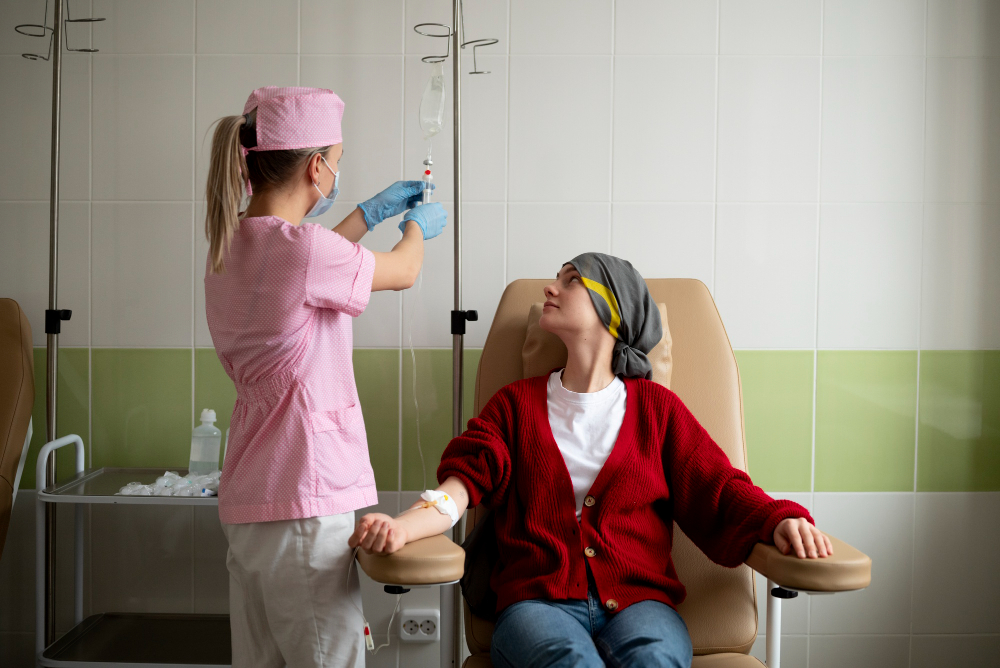
Explore chemotherapy: understand this cancer treatment, how it's administered, potential side effects, and preparation. Find comprehensive support.
Cancer can be a life-threatening health problem if left untreated. Chemotherapy is an effective weapon in our arsenal against controlling and destroying cancer cells and improving a patient’s quality of life. Understanding this life-altering cancer treatment is the first step towards regaining control over your health journey. In this blog, we explore how chemotherapy works, its potential side effects, and tips to manage treatment effectively for a better quality of life.
Understanding Chemotherapy
To improve the odds of success of chemotherapy treatment and to better tolerate its effects, it is prudent to understand what it entails.
There are different types of chemotherapy treatment. It is usually a part of the broader plan, which may also include radiation, surgery, immunotherapy, etc. Getting a comprehensive oncology treatment in Turkey at advanced hospitals like those in the MedicalPark group can mitigate the cost of treatment and improves accessibility for international patients.
Turkey is a leading destination for cancer care, offering advanced chemotherapy treatment at internationally accredited hospitals, including those in the MedicalPark group. At MedicalPark hospitals patients benefit from modern oncology units, personalized treatment plans, and access to the latest drugs at more affordable costs compared to many Western countries. With experienced medical oncology specialists, state-of-the-art facilities, and dedicated international patient services, Turkey provides comprehensive support for those seeking high-quality cancer care abroad.

What Is Chemotherapy?
Chemotherapy is a common cancer treatment that uses powerful medications, known as cytotoxic or antineoplastic drugs, to stop or slow the growth of cancer cells. These drugs work by targeting rapidly dividing cells, making them highly effective against cancer. Chemotherapy can be used as a standalone treatment or combined with other therapies, such as surgery, radiation, or immunotherapy, as part of a comprehensive cancer care plan.
Why Is Chemotherapy Used?
Chemotherapy treatment is used for a variety of purposes depending on the condition being treated. It works to kill cancer cells and prevent their growth and spread. In some cases, chemotherapy can cure malignancies entirely, while in others it helps shrink tumor size and provide symptomatic relief. It is also commonly used to treat metastasis, where cancer has spread to other parts of the body.
Additionally, chemotherapy often serves as part of a broader treatment plan alongside surgery or radiation, and in certain cases, it is used to control autoimmune diseases by suppressing the overactive immune response.
Chemotherapy for Other Conditions
Along with treating cancer, hospitals also use chemotherapy for several non-cancerous conditions. These include autoimmune disorders, where chemotherapy helps suppress the immune system’s abnormal activity. It is also used to prevent organ rejection after transplant surgery by weakening the immune response.
Moreover, chemotherapy is employed in managing bone marrow pathologies such as aplastic anemia, as well as in treating blood disorders like Immune Thrombocytopenia (ITP), where it helps regulate platelet levels by targeting the underlying immune mechanism.
Types of Chemotherapy and Administration
For patients seeking chemotherapy treatment, various types and chemotherapy administration options are available in the major cities in Turkey at hospitals offering comprehensive oncology treatment. This includes:
- Preventive chemotherapy – To stop cancer cells
- Palliative chemotherapy – For symptomatic relief
- Neoadjuvant chemotherapy – To shrink the tumor size
- Adjuvant Chemotherapy – To prevent recurrences after surgical resection
Different Chemotherapy Medicines
The following anti-neoplastic medications are available to international patients seeking chemotherapy treatment in Turkey.
Alkylating agents such as Cyclophosphamide, antimetabolites like 5-FU, and topoisomerase inhibitors including Etoposide. Corticosteroids, for example Dexamethasone, are also commonly used, along with mitotic inhibitors such as Vincristine.
Furthermore, antitumor antibiotics like Bleomycin and other chemotherapy drugs including Cisplatin form part of the chemotherapy options offered to patients.
How Chemotherapy is Given
Chemotherapy administration utilizes multiple routes tailored to the patient’s condition and type of cancer. The most common method is intravenous (IV) delivery, where the medication is infused directly into a vein, allowing rapid distribution throughout the body. Intra-arterial chemotherapy involves injecting drugs into an artery that supplies blood directly to the tumor, providing a targeted approach.
Oral chemotherapy, given by mouth in pill or liquid form, offers convenience and flexibility for some treatment regimens. Injections into the muscle or under the skin are also used depending on the drug and treatment protocol.
Other specialized routes include topical chemotherapy, which is applied directly to the skin’s surface to treat certain skin cancers. Intrathecal administration delivers chemotherapy into the spinal fluid, targeting cancers affecting the central nervous system.
In addition to them, intraperitoneal chemotherapy involves injecting medication into the abdominal cavity to treat cancers localized there, such as ovarian cancer. Each route is chosen to maximize treatment effectiveness while minimizing side effects, based on the patient’s specific diagnosis and overall health.
Chemotherapy Treatment Cycles
Chemotherapy administration is in the form of treatment cycles. A cycle is a repeating schedule of cytotoxic drug delivery with periods of rest and recuperation. The exact number of treatment cycles depends on the extent and aggressiveness of the cancer.
An example of a chemotherapy cycle is one week of treatment with two weeks of rest equals one cycle.
Preparing for Chemotherapy Treatment
Like any treatment, chemotherapy preparation is also necessary. Before starting treatment, it’s a good idea to undergo a full body check-up to assess your overall health and ensure you are ready for chemotherapy.
The steps of chemotherapy prep in Turkey include the following:
Important Discussions with Your Care Team
The initial discussion with the care team is essential to break the ice and understand the exact scope, effectiveness, and any potential side effects of the treatment plan.
Considering Fertility and Chemotherapy
Fertility and chemotherapy are not compatible. Infertility is among the most significant chemotherapy side effects. Discuss fertility preservation options with the care team before starting chemotherapy.
Practical Steps Before Your First Treatment
Before starting chemotherapy in Turkey or elsewhere, take time to fully prepare yourself both physically and emotionally. Begin by reviewing your treatment schedule with your oncology team and clarifying any questions about the drugs you will receive and their possible side effects. Make sure you have all your prescribed medications and supportive care items ready, such as anti-nausea drugs or topical creams.
Safety Precautions During Treatment
Whether you are starting chemotherapy in Istanbul or anywhere else, strict adherence to safety precautions ensures that you avoid potential infections and other side effects.
Managing Chemotherapy Side Effects
Chemotherapy side effects are debilitating and often lead to loss of motivation, listlessness, and depression. Having an understanding of chemotherapy risks and side effects manages patient expectations and leads to better tolerance.
Common Side Effects of Chemotherapy
While getting chemotherapy in Turkey, the following common side effects may occur:
- Nausea
- Vomiting
- Loss of appetite
- Hair loss
- Deterioration in skin health and texture
- Fatigue
- Low immunity
- Infection risk
- Brain fog
- Bruising or bleeding
Long-lasting and Late-developing Side Effects
Late-developing side effects to watch out for include heart and lung problems, kidney and liver symptoms, cognitive issues, nerve damage, infertility, and weak bones. These effects may appear months or even years after chemotherapy treatment and can significantly impact a patient’s quality of life, making ongoing monitoring and care essential.
When to Seek Urgent Medical Advice
If you have undergone a chemotherapy session, the following signs and symptoms should prompt immediate medical attention:
- High-grade fever with chills
- Nausea/vomiting refractory to treatment
- Severe diarrhea
- Dehydration
- Mouth sores along with difficulty swallowing
- Sudden bleeding and bruising
- Allergic reaction
- Dizziness, loss of consciousness
- Redness, swelling, or pain at the injection site
Strategies for Managing Side Effects
Some effective strategies to manage these side effects include having realistic expectations and maintaining a nutritious diet to support overall health. Using anti-nausea and pain medications can help alleviate discomfort, while maintaining proper hygiene reduces the risk of infections. Pacing yourself throughout the chemotherapy recovery process is important to avoid overexertion, and joining a support group provides emotional encouragement and practical advice from others facing similar challenges.
Support During Chemotherapy
Chemotherapy recovery depends on personal as well as medical support. Choosing an expert care center like the Medical Park Hospitals goes a long way towards mitigating chemotherapy risks and side effects. With over 25 years of healthcare experience, the Medical Park facilities are top-notch and technologically advanced. Hundreds of patients from all over the world trust Medical Park Hospitals with their health and well-being.
Ongoing Care and Monitoring
Chemotherapy does not end with the last infusion. Ongoing care is a critical part of the treatment journey. Continuous monitoring allows your medical team to track your response to chemotherapy and detect any complications early. This includes regular follow-up visits, blood tests to check blood cell counts and organ function, and imaging scans to evaluate whether the cancer is shrinking or under control. At MedicalPark hospitals, patients benefit from comprehensive follow-up programs supported by advanced diagnostic tools and a multidisciplinary oncology team to ensure personalized care and long-term health management.
Ongoing Care and Monitoring
Chemotherapy is not an easily tolerated treatment, and patients often require essential emotional and practical support throughout their journey. To help address these needs, a variety of resources are available, including patient counseling to provide emotional guidance and coping strategies. Patient support groups offer a community of individuals facing similar challenges, fostering connection and shared experiences.
Support for Caregivers
Caring for someone undergoing chemotherapy can be physically demanding and emotionally overwhelming. Caregivers often manage medication schedules, provide transportation, and offer emotional reassurance, all while balancing their own responsibilities. To prevent burnout, caregivers need access to resources such as counseling, support groups, and educational guidance on managing treatment side effects.
This content was developed by the MedicalPark Editorial Board and is intended for informational purposes only. It does not replace professional medical advice, diagnosis, or treatment. Please consult your healthcare provider for personalized care.