
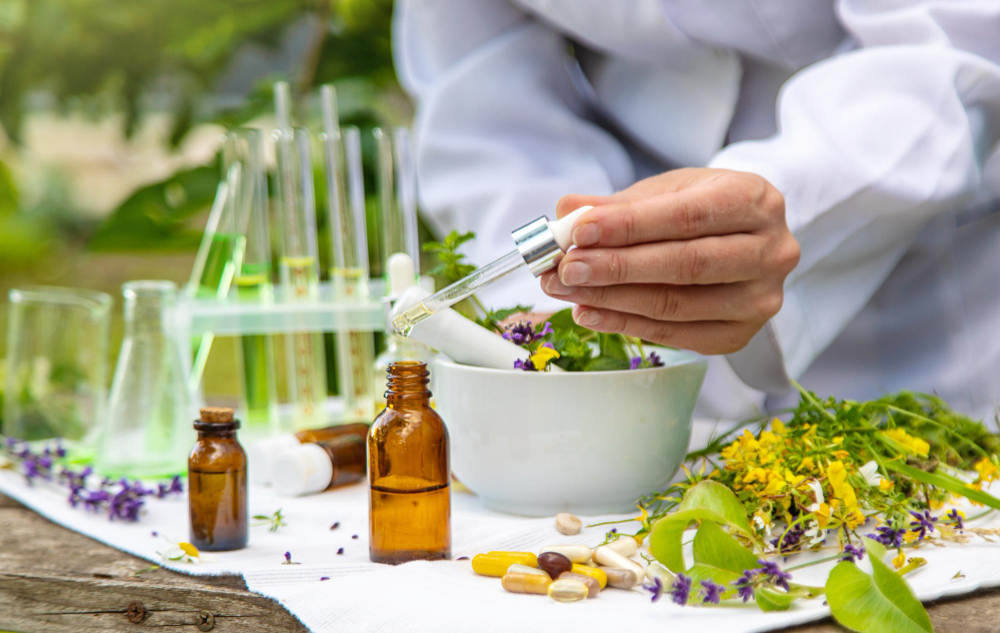
Explore homeopathy, a traditional alternative medicine. Understand its history, methods, scientific evidence, and safety considerations.
Homeopathy is a widely recognized type of alternative medicine based on the principle that the body can naturally heal itself when stimulated by specific natural substances that trigger its healing mechanisms. With a history spanning over two centuries, homeopathy is a popular form of complementary medicine often used alongside conventional treatments to address both chronic and acute health concerns.
While its acceptance varies across countries, homeopathy frequently features in discussions on holistic wellness. This blog will explore the principles, benefits, and considerations of homeopathy to help readers understand its role in modern healthcare.
What is Homeopathy?
Homeopathy is a centuries-old system of alternative medicine that emphasizes individualized healing through non-conventional methods. It uses highly diluted natural substances to stimulate the body’s own ability to recover, promoting healing in a gentle, holistic way. Homeopathy takes a comprehensive approach, considering the physical, emotional, and spiritual aspects of health.
The Core Principles of Homeopathy
Homeopathy is based on the principle of “like cures like,” which means a substance that causes certain symptoms in a healthy person can be used in very small doses to treat the same symptoms in someone who is sick. Another fundamental concept is potentisation, a process of repeated dilution and vigorous shaking (succussion) that is believed to strengthen the remedy’s healing effects.
Historical Background and Development
Homeopathy has a fascinating history that dates back to the late 18th century, when it was founded by German physician Samuel Hahnemann. He developed this system as an alternative to the often harsh medical practices of his time. Drawing on traditional medical principles and careful experimental observation, Hahnemann introduced key concepts such as miasms (underlying predispositions to disease) while compiling essential resources like the materia medica and homeopathic repertories.
How are Homeopathic Remedies Prepared?
Homeopathic remedies involve more than just natural ingredients; their preparation follows a careful ritual of dilution and energy transfer designed to enhance their healing effects.
The Process of Dilution and Succussion
Remedies are created through repeated dilution and succussion, where the original substance is diluted in alcohol or water and then vigorously shaken. This process is believed to retain the “energy” or essential healing properties of the substance, even as its physical presence becomes minimal, especially in higher dilutions.
Common Sources of Homeopathic Preparations
Homeopathic remedies may be derived from plant, mineral, or animal sources. Each remedy is documented in the materia medica and chosen based on the patient’s complete symptom profile, ensuring a personalized approach to treatment.
Homeopathic Consultation and Treatment Approach
Homeopathy takes a holistic and in-depth approach rather than relying on quick clinical assessments, focusing on the overall well-being of each individual. Every consultation is carefully structured to explore both emotional and physical aspects of the patient’s health.
Understanding the Patient's Holistic Picture
Unlike conventional medicine, homeopathic treatment examines the patient’s complete case. The homeopath considers physical symptoms, mental states, emotions, and lifestyle factors to develop a comprehensive understanding of the patient’s health and what areas require focus.
Individualized Treatment Plans
Each patient receives a personalized remedy based on the law of similars and their overall health history. Homeopathy aims not only to alleviate symptoms temporarily but also to support the body’s natural healing mechanisms for long-term wellness.
Scientific Evidence and Efficacy of Homeopathy
The effectiveness of homeopathy remains a topic of ongoing debate, largely due to differing perspectives between scientific research and the anecdotal experiences of patients.
Lack of High-Quality Clinical Evidence
Although homeopathy is widely practiced, there is limited high-quality scientific evidence supporting its efficacy. Most rigorous clinical trials have not demonstrated effects beyond those of a placebo, which has led many in the scientific and medical communities to remain skeptical of its therapeutic claims.
The Role of the Placebo Effect
The placebo effect occurs when patients experience improvement simply because they believe a treatment will work. This may partially explain the benefits reported by some homeopathy users. While the placebo effect can be powerful, it is not unique to homeopathic treatments and can occur with various medical interventions.
Safety and Potential Risks of Homeopathy
While homeopathy is often considered a low-risk option, it can carry indirect dangers, especially if it is used as a replacement for medically necessary treatments.
General Safety of Homeopathic Remedies
Homeopathic remedies are generally regarded as safe due to the extreme dilution of active substances. This means they usually contain minimal or no measurable chemical content, making them well-tolerated by most people.
Potential Indirect Risks and Interactions with Conventional Medicine
Even though homeopathy is typically safe, relying solely on it while delaying or avoiding conventional medical care can pose health risks, particularly for serious conditions. Adverse effects may also occur if remedies are improperly selected or interfere with prescribed treatments.
Homeopathy and Vaccination
Some proponents advocate for homeopathic vaccines; however, there is no reliable scientific evidence supporting their effectiveness. Health authorities continue to stress that homeopathic remedies cannot replace standard immunizations.
Regulation and Global Landscape of Homeopathy
The status of homeopathy in global healthcare varies widely. While some countries formally recognize and regulate it, others question its legitimacy or limit its use.
Varying Regulatory Standards Worldwide
Regulatory approaches to homeopathy differ across the world. Some countries integrate it into their national healthcare systems, while others restrict or discourage its practice due to the lack of strong scientific evidence.
Homeopathy in Healthcare Systems
In countries where homeopathy is officially recognized, it is often used as part of complementary medicine. Many patients view it as a viable alternative or supplement to conventional drug-based therapies, particularly for managing chronic conditions.
This content was developed by the MedicalPark Editorial Board and is intended for informational purposes only. It does not replace professional medical advice, diagnosis, or treatment. Please consult your healthcare provider for personalized care.