
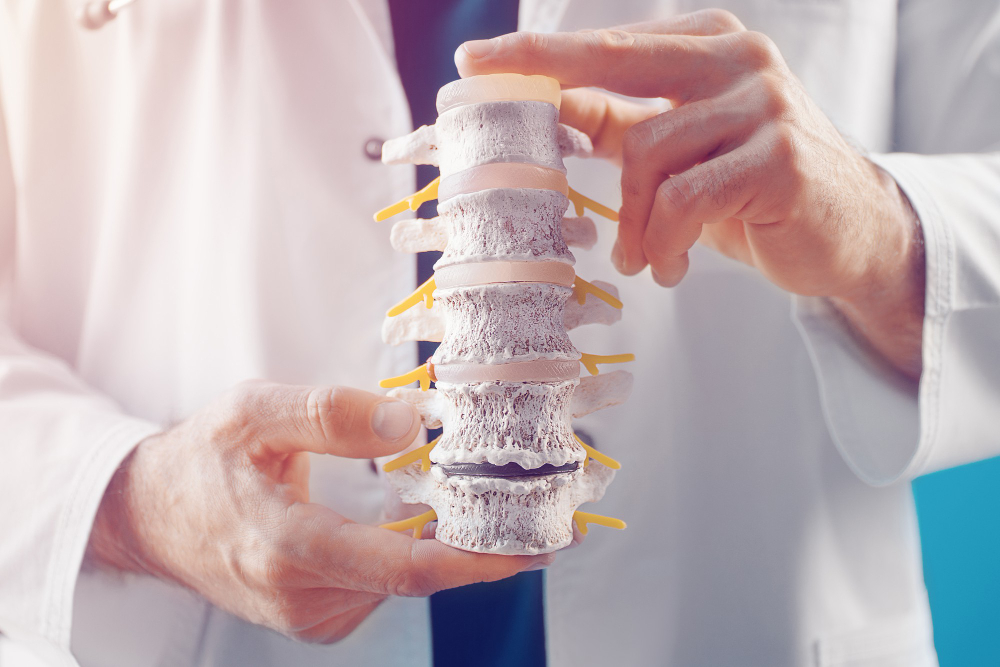
Discover advanced spine surgery techniques and how MedicalPark hospitals in Turkey deliver world-class spine care with expert specialists.
Spinal conditions can cause ongoing pain, reduced mobility, and in some cases, neurological issues that disrupt daily life. While many cases can be managed with non-surgical treatments, spine surgery becomes a viable option when those approaches are no longer effective.
This blog explores some of the most commonly performed and advanced spine surgery techniques, and how state-of-the-art medical institutions in Turkey, such as MedicalPark hospitals, compare with international standards in specialized spine care. It also outlines typical surgical approaches and how expert teams address various spinal disorders in clinical practice. As technologies and multidisciplinary collaboration continue to evolve, surgical outcomes and recovery experiences have notably improved.
What Is Spine Surgery?
Spine surgery refers to various surgical techniques used to treat structural problems in the spine that cause chronic pain, limited mobility, or neurological deficits. These procedures are typically considered when conservative treatments, such as physical therapy, medication, or spinal injections, fail to provide relief.
Spine surgery is often performed to:
Relieve spinal nerve compression
Stabilize unstable spinal segments
Correct spinal deformities
Treat disc herniation or degeneration
Remove tumors, cysts, or infections
Address fractures due to trauma or osteoporosis
Advanced diagnostic imaging such as MRI and CT scans are used to determine the most appropriate spine surgery type for each patient. Depending on the location and severity of the condition, procedures may involve the cervical, thoracic, or lumbar spine.
For spinal conditions involving nerve compression or neurological symptoms, patients may also benefit from coordinated care with specialists in brain and nerve surgery.
Types of Commonly Performed Spine Surgery
Spine surgery encompasses a wide range of procedures tailored to treat different spinal conditions—from herniated discs and spinal stenosis to deformities and instability. Below are some of the most frequently performed surgical techniques, varying in complexity from traditional open surgeries to advanced minimally invasive and robotic-assisted procedures.
Spine Curvature Correction Surgery
Spinal deformities such as scoliosis, kyphosis, or lordosis can arise due to congenital issues, trauma, or degeneration. Curvature correction surgeries aim to realign the spine, relieve discomfort, and improve posture and breathing. These procedures may involve spinal fusion, instrumentation, or osteotomies.
Herniated Disc (Spine Hernia) Surgery
Disc herniation can lead to spinal nerve compression, causing pain, numbness, or weakness. Surgical options include discectomy, microdiscectomy, or artificial disc replacement to remove or replace the damaged disc and decompress nerves.
Spine Stenosis Surgery (Spinal Decompression)
Spinal stenosis refers to the narrowing of the spinal canal, often affecting older adults. Spine stenosis surgery includes decompression techniques like laminotomy, foraminotomy, or laminectomy to widen the canal and relieve pressure.
Spine Fusion Surgery
Spinal fusion is used to stabilize the spine by permanently connecting two or more vertebrae. It is often performed in cases of severe instability, scoliosis, spondylolisthesis, or after disc removal.
Laser Spine Surgery
This is a form of minimally invasive back surgery where a laser is used to remove portions of damaged disc material, relieving nerve pressure. It’s often recommended for patients with localized disc herniation or degeneration.
Endoscopic Spine Surgery
Endoscopic spine surgery utilizes a tiny camera (endoscope) inserted through a small incision to treat conditions like herniated discs and spinal stenosis. It reduces tissue damage, scarring, and recovery time.
Robotic Spine Surgery
Using robotic systems, spine surgeons can perform complex procedures with enhanced precision and control. This innovative technique improves surgical outcomes and shortens hospital stays.

Minimally Invasive Spine Surgery Techniques
Minimally invasive spine surgery (MISS) has revolutionized the field by significantly reducing trauma to surrounding tissues. Unlike open spine surgery, which involves large incisions and extended recovery times, MISS involves smaller incisions and advanced visualization tools like fluoroscopy, endoscopy, and image-guided navigation.
Key advantages of minimally invasive spine surgery include:
Less blood loss during surgery
Smaller surgical scars
Lower risk of infection and complications
Reduced postoperative pain
Shorter hospital stays
Faster return to daily activities
MISS is used in procedures such as:
Microdiscectomy
Endoscopic discectomy
Minimally invasive spinal fusion
Decompression surgeries using tubular retractors or interspinous spacers
Pre- and Post-Operative Care
Pre-Operative Care
Before undergoing spine surgery at MedicalPark, patients undergo comprehensive assessments including imaging, blood tests, and physical evaluations. Our team ensures that each patient is fully informed about their procedure and recovery expectations.
Post-Operative Recovery
Spine surgery recovery time varies based on the type of surgery. In general:
Minimally invasive procedures: 2–6 weeks for basic recovery
Open spine surgery: 3–6 months for full recovery
Patients are encouraged to:
Attend all follow-up appointments
Avoid heavy lifting or twisting
Follow prescribed physical therapy programs
Maintain a healthy diet and lifestyle
Avoid smoking and alcohol to promote healing
Why Choose MedicalPark for Spine Surgery?
MedicalPark is one of Turkey’s leading healthcare institutions, with 27 hospitals offering state-of-the-art medical services across the country. Our spine surgery departments are equipped with the latest technologies and staffed by internationally trained specialists.
Why international patients choose MedicalPark:
Multidisciplinary spine care approach
Minimally invasive and robotic spine surgery options
Personalized treatment plans
Multilingual staff and international patient support
Competitive spine surgery cost in Turkey
We provide transparent pricing and customizable surgical packages that include pre-op testing, hospital stay, medications, post-op consultations, and follow-up care.
Our Team of Expert Spine Surgeons
At MedicalPark, our experienced spine surgeons are board-certified and have specialized training in neurosurgery, orthopedics, and minimally invasive procedures. Working closely with physiotherapists and radiologists, they provide comprehensive care throughout every phase of your treatment journey.
From cervical spine surgery to lumbar spine surgery and everything in between, our experts are dedicated to achieving the best possible outcomes for our patients. Whether you're seeking back surgery to relieve chronic pain or looking for advanced spine decompression surgery, MedicalPark is your trusted partner in Turkey.
This content was developed by the MedicalPark Editorial Board and is intended for informational purposes only. It does not replace professional medical advice, diagnosis, or treatment. Please consult your healthcare provider for personalized care.